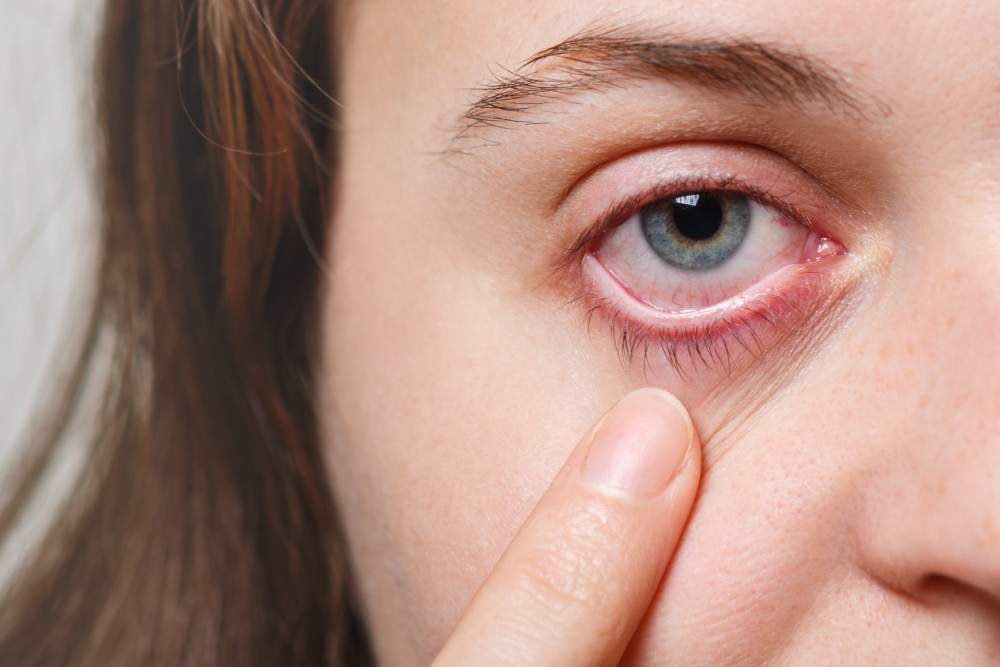
What is Optic Neuritis?
Optic neuritis is a condition that affects the eye’s optic nerve. This nerve sends visual information from your eye to your brain. When it becomes inflamed, vision problems can occur. Many people notice sudden changes in their sight. Because optic neuritis can be linked to other neurology eye conditions, it is important to understand its symptoms and causes. Early treatment can help protect your vision.
Symptoms of Optic Neuritis
Symptoms of optic neuritis often appear quickly. For example, you may notice vision loss in one eye. Sometimes, both eyes are affected. Other symptoms can include:
However, some people may only have mild symptoms. If you notice any changes in your vision, it is important to seek help right away.
Causes and Risk Factors
There are several causes of optic neuritis. Most often, it is linked to the body’s immune system attacking the optic nerve. This can happen with conditions like multiple sclerosis (MS). In addition, infections and some medications may also cause optic neuritis. Risk factors include:
Although anyone can develop optic neuritis, it is more common in women than men.
How Optic Neuritis is Diagnosed
Doctors use several tests to diagnose optic neuritis. First, they will ask about your symptoms and medical history. Next, they may perform an eye exam to check your vision and eye movements. Common tests include:
Because early diagnosis is important, do not delay seeing a doctor if you have symptoms.
Treatment Options
Treatment for optic neuritis depends on the cause and severity. In many cases, vision improves on its own within a few weeks. However, doctors may recommend:
Sometimes, hospital treatment is needed if symptoms are severe. Early treatment can help prevent long-term vision loss.
Prevention and Lifestyle Tips
While you cannot always prevent optic neuritis, some steps may lower your risk. For instance, managing autoimmune diseases and avoiding infections can help. Here are some tips:
Additionally, staying healthy overall can support your eye health.
When to See a Doctor
If you notice sudden vision loss, eye pain, or color changes, see a doctor as soon as possible. Early care can make a big difference. Even if symptoms seem mild, it is better to get checked. For those with a history of neurology eye conditions, regular check-ups are important.
If you notice any symptoms of optic neuritis, consult Dr. Pravallika Dutta, a neurologist or eye specialist, for personalized advice.