What is Subarachnoid Hemorrhage?
Subarachnoid hemorrhage is a type of brain bleed. It happens when blood leaks into the space around the brain. This space is called the subarachnoid space. Often, this condition is sudden and serious. In the United States, subarachnoid hemorrhage is a medical emergency. The main causes of subarachnoid hemorrhage include ruptured blood vessels or trauma. Early signs, such as a sudden severe headache, can help spot the problem. Knowing the symptoms and causes of subarachnoid hemorrhage can save lives.
Common Symptoms
Symptoms of subarachnoid hemorrhage often appear quickly. Because this condition is serious, it is important to recognize the signs early. For example, you may notice:
However, not everyone has all these symptoms. If you notice any of these signs, seek medical help right away.
Causes and Risk Factors
There are several causes of subarachnoid hemorrhage. Most often, a weak spot in a blood vessel, called an aneurysm, bursts. Sometimes, head injuries can also cause this type of brain bleed. Other risk factors include:
Because some risk factors can be controlled, making healthy choices can help lower your risk.
How Subarachnoid Hemorrhage is Diagnosed
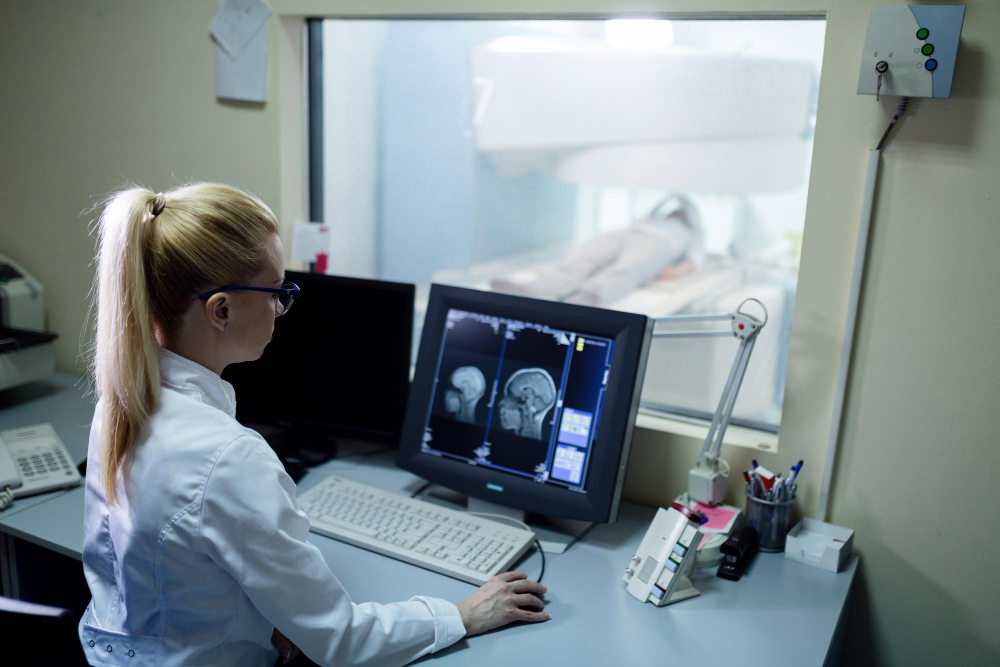
Doctors use several tests to diagnose subarachnoid hemorrhage. First, they ask about your symptoms and medical history. Then, they may order a brain scan, such as a CT scan or MRI. These tests can show bleeding in the brain. In some cases, doctors may do a lumbar puncture. This test checks for blood in the fluid around the brain. Early diagnosis is key, so do not delay if you notice warning signs.
Treatment Options
Treatment for subarachnoid hemorrhage starts in the hospital. Doctors focus on stopping the bleeding and preventing more damage. Common treatments include:
Sometimes, doctors use special procedures to prevent future bleeding. Quick treatment improves the chances of recovery.
Recovery and Lifestyle Guidance
Recovery after a subarachnoid hemorrhage can take time. Some people may need physical therapy or speech therapy. Others may need help with memory or daily tasks. However, many people improve with support. It is important to follow your doctor’s advice. For example, you may need to:
With time and care, many people return to their usual activities.
Prevention Tips
While not all cases can be prevented, you can lower your risk. Try these tips:
Because some risk factors are genetic, talk to your doctor if you have a family history of brain aneurysms.
If you or someone you know has symptoms of a subarachnoid hemorrhage, seek emergency care. Consult Dr. Pravallika Dutta, a neurologist or neurosurgeon, for personalized advice if you suspect a subarachnoid hemorrhage.