Introduction
Strokes are serious medical emergencies that affect the brain. There are different types of strokes, and each type needs special care. Knowing the differences between stroke types helps you spot symptoms early. Early action can save lives and improve recovery. In this blog, you will learn about the main types of strokes, their symptoms, causes, and treatment options. Understanding these facts can help you protect yourself and your loved ones.
What Is a Stroke?
A stroke happens when blood flow to part of the brain stops. Because the brain needs oxygen, any blockage or bleeding can cause brain cells to die. As a result, quick treatment is very important. Strokes can lead to lasting problems or even death if not treated fast. However, knowing the signs and types of strokes can help you act quickly.
Main Types of Strokes
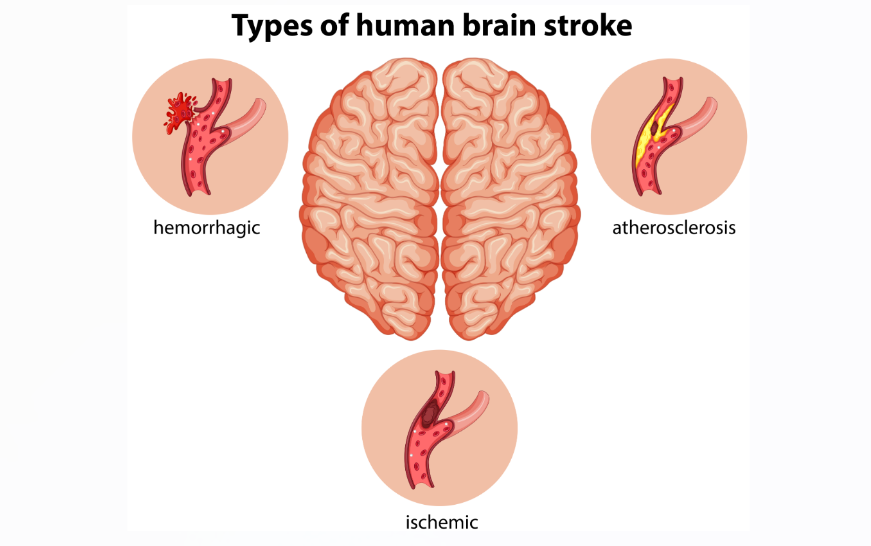
There are three main types of strokes. Each type has different causes and treatments. Let’s look at each one.
Ischemic Stroke
Most strokes are ischemic strokes. In this type, a blood clot blocks a blood vessel in the brain. Because blood cannot reach brain cells, they start to die. Ischemic strokes are the most common and need quick care.
Hemorrhagic Stroke
In a hemorrhagic stroke, a blood vessel in the brain bursts. As a result, blood leaks into the brain tissue. This type is less common but often more serious. It can cause more damage and needs urgent treatment.
Transient Ischemic Attack (TIA)
A TIA is sometimes called a “mini-stroke.” It happens when blood flow to the brain stops for a short time. Symptoms are like a stroke but last only a few minutes or hours. Even though symptoms go away, a TIA is a warning sign. It means you are at higher risk for a full stroke.
Symptoms of Each Stroke Type
Recognizing stroke symptoms early can save lives. Although symptoms can vary, some are common to all types. However, some signs may be more common in certain strokes.
If you notice any of these stroke symptoms, call emergency services right away. Time is critical for stroke treatment options.
Causes and Risk Factors
Many things can increase your risk of stroke. Some you can control, while others you cannot. Knowing these risk factors can help you take action.
Because some risk factors can be changed, healthy habits are important for stroke prevention tips.
Diagnosis Methods
Doctors use several tests to diagnose stroke types. First, they check your symptoms and medical history. Then, they may use imaging tests to see the brain. Common tests include:
Early diagnosis helps doctors choose the best stroke treatment options.
Treatment Options for Each Type
Treatment depends on the type of stroke. Quick action can limit brain damage and improve recovery.
Ischemic Stroke Treatment
Hemorrhagic Stroke Treatment
TIA Treatment
After a stroke, many people need rehabilitation. This may include physical therapy, speech therapy, or occupational therapy. Because every person is different, treatment plans may vary.
Prevention and Lifestyle Tips
Although some risk factors cannot be changed, many strokes can be prevented. Here are some stroke prevention tips:
Because small changes can make a big difference, start healthy habits today. Prevention is always better than cure.
Conclusion
In summary, knowing the types of strokes, their symptoms, and treatment options can save lives. If you notice any stroke symptoms, seek immediate medical attention. Consult a neurologist Dr. Pravallika Dutta for personalized advice and care.